Would DATTs (Device Assisted Treatments and Therapies) benefit me?
Deep Brain Stimulation

Deep Brain Stimulation (or DBS) is the most common surgical treatment for Parkinson’s, with more than 200,000 patients implanted worldwide so far.
How does DBS work?
It uses a small, pacemaker-like device (stimulator) to send electronic signals to a precise area in the brain that controls movement via very thin wires (leads). Stimulation of these areas appears to block the brain messages that cause disabling motor symptoms and so can provide greater symptom control.
The stimulator is usually implanted in your chest or abdomen, with leads going up through your neck and linked to electrodes implanted in the brain. The stimulator uses a battery which can be rechargeable or non-rechargeable. The procedure is fully reversible.
What are the benefits and risks of DBS?
The most common benefits of DBS are reduction of Parkinson’s motor symptoms including rigidity and tremor, reduction in medication intake and overall increased quality of life.
Risks of DBS are linked to surgery complication and post-operation infections, similarly to any other surgery, as well as to possible side effects such as changes in voice and personality.
The development of DBS
Since its first use in the late 1980s, Deep Brain Stimulation has been continuously developed further, with recent innovations including remote programming, sensing for amplitude adaptation and next-generation directional leads programable with an image-guided interface.
Since movement disorders such as Parkinson’s aren’t static, DBS systems can be adjusted – or programmed – to adapt to the evolving needs of the patient.
Find out more
Find out more from the companies that produce DBS devices:
Press "Back" below to return to the previous screen, or click "Next" to find out about Pens.
Deep Brain Stimulation
Deep Brain Stimulation (or DBS) is the most common surgical treatment for Parkinson’s, with more than 200,000 patients implanted worldwide so far.
How does DBS work?
It uses a small, pacemaker-like device (stimulator) to send electronic signals to a precise area in the brain that controls movement via very thin wires (leads). Stimulation of these areas appears to block the brain messages that cause disabling motor symptoms and so can provide greater symptom control.
The stimulator is usually implanted in your chest or abdomen, with leads going up through your neck and linked to electrodes implanted in the brain. The stimulator uses a battery which can be rechargeable or non-rechargeable. The procedure is fully reversible.
What are the benefits and risks of DBS?
The most common benefits of DBS are reduction of Parkinson’s motor symptoms including rigidity and tremor, reduction in medication intake and overall increased quality of life.
Risks of DBS are linked to surgery complication and post-operation infections, similarly to any other surgery, as well as to possible side effects such as changes in voice and personality.
The development of DBS
Since its first use in the late 1980s, Deep Brain Stimulation has been continuously developed further, with recent innovations including remote programming, sensing for amplitude adaptation and next-generation directional leads programable with an image-guided interface.
Since movement disorders such as Parkinson’s aren’t static, DBS systems can be adjusted – or programmed – to adapt to the evolving needs of the patient.
Find out more
Find out more from the companies that produce DBS devices:
Press "Back" below to return to the previous screen, or click "Next" to find out about Pens.
Injection pen
What is an injection pen for Parkinson's treatment?
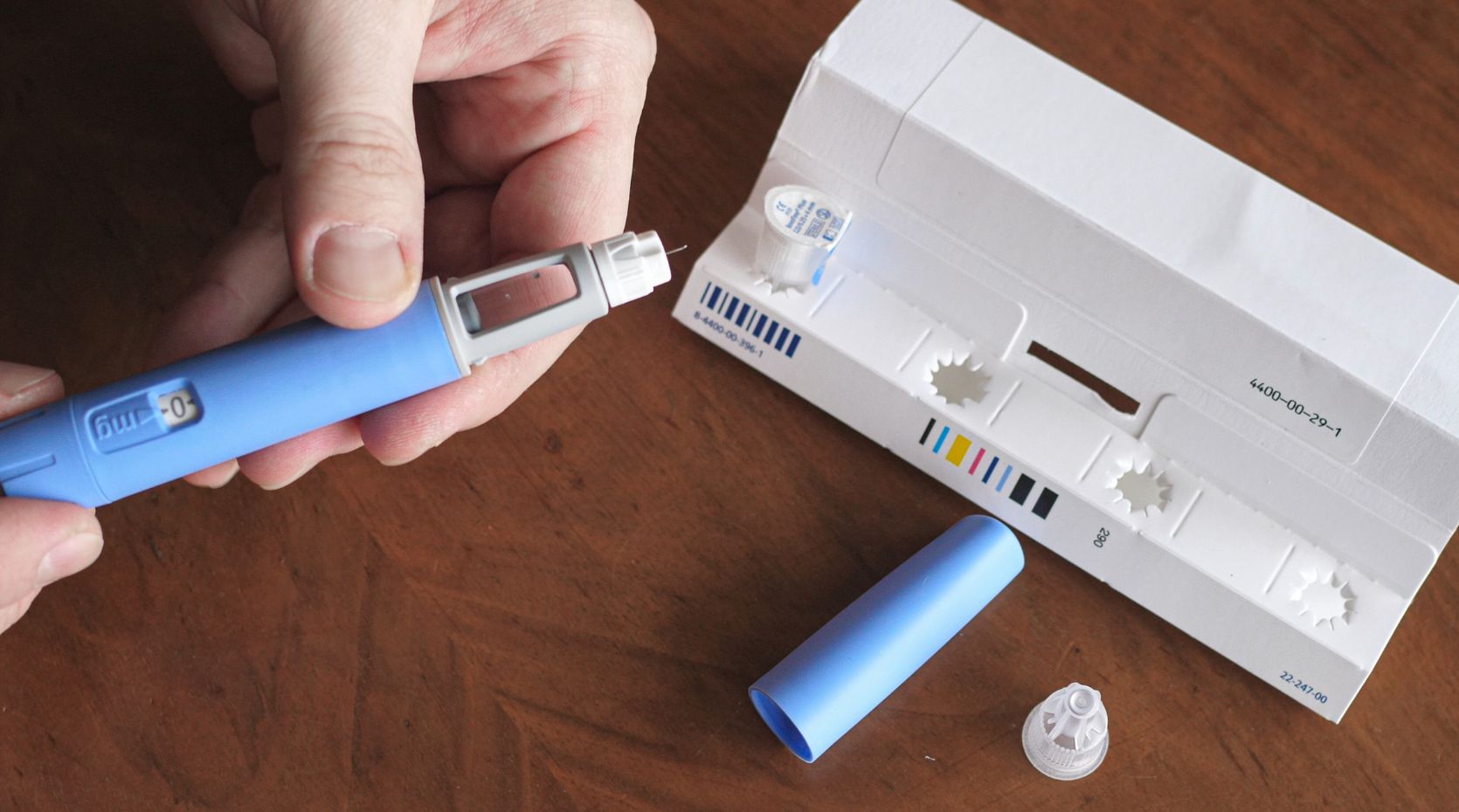
An injection pen is a device designed to provide you with a self-administered injection of the Parkinson’s medication apomorphine. This reduces the length of an OFF periods and the associated symptoms.
An injection pen system is normally composed of:
- A pen, which features a wheel for adjusting medication dose and a display
- Disposable needles
- Cartridges containing the apomorphine medication
Injections can be self-managed or with the help of a caregiver. Injection sites are normally on your thigh, upper arm, or abdomen.
What are the benefits and risks of an injection pen?
The benefits of using an apomorphine injection pen are fast reduction of OFF periods and control of associated symptoms compared to oral tablets.
Common risks are related to skin reactions and possible infections, and difficulties in performing the injection by yourself or a caregiver.
Find out more
Find out more about injection pens from the companies supporting pen devices:
Injection pen
What is an injection pen for Parkinson's treatment?
An injection pen is a device designed to provide you with a self-administered injection of the Parkinson’s medication apomorphine. This reduces the length of an OFF periods and the associated symptoms.
An injection pen system is normally composed of:
- A pen, which features a wheel for adjusting medication dose and a display
- Disposable needles
- Cartridges containing the apomorphine medication
Injections can be self-managed or with the help of a caregiver. Injection sites are normally on your thigh, upper arm, or abdomen.
What are the benefits and risks of an injection pen?
The benefits of using an apomorphine injection pen are fast reduction of OFF periods and control of associated symptoms compared to oral tablets.
Common risks are related to skin reactions and possible infections, and difficulties in performing the injection by yourself or a caregiver.
Find out more
Find out more about injection pens from the companies supporting pen devices:
Infusion pumps
What is an infusion pump?
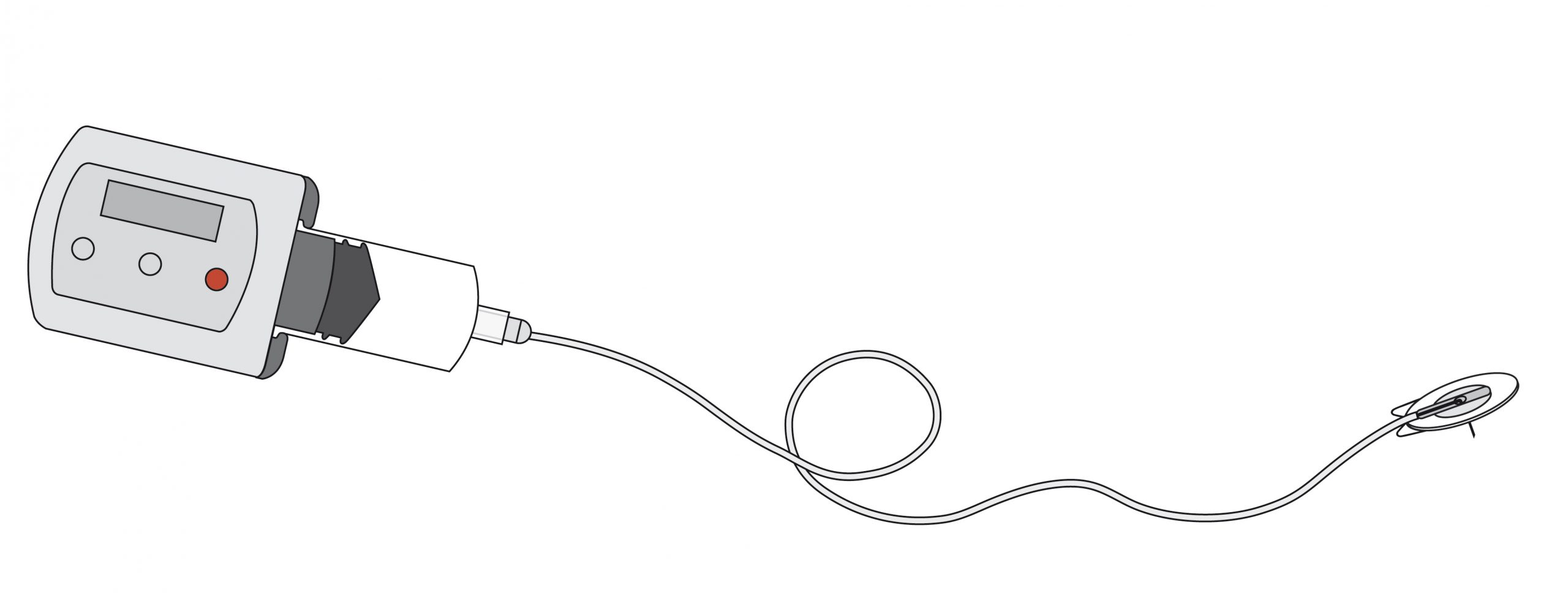
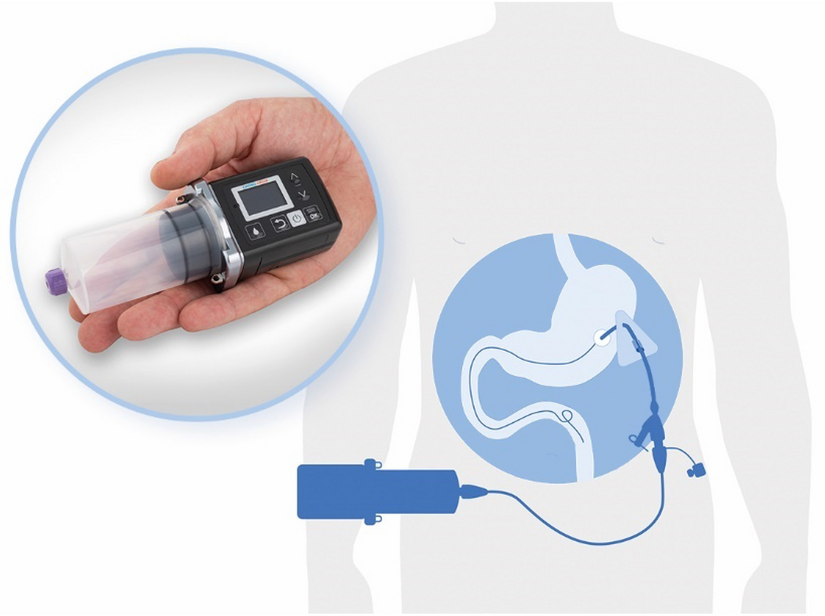
A pump is a device designed to provide you with a continuous infusion of Parkinson's medicine via a needle inserted in your small intestine or under your skin.
This allows the medicine to bypass the gastrointestinal tract and be absorbed more rapidly by your body, reducing the fluctuations and wearing off linked to oral tablets.
The Parkinson’s medications delivered via a pump system are:
- Levodopa/Carbidopa (delivered either in the small intestine or under the skin)
- Levodopa/Carbidopa/Entacapone (delivered in the small intestine)
- Apomorphine (delivered under the skin)
A pump system is normally composed of:
- The pump device, which can include a reservoir for the medication
- A needle, which can be inserted either in your small intestine (with a small surgical procedure) or under your skin (self-managed) and then removed, leaving
- A cannula (thin tube) in the intestine or under the skin for the medication to be delivered through
- Vials, cassettes or cartridges containing the medication
The pump device is normally worn attached to your belt or in a dedicated case/bag.
Pump devices have a display and button to control settings and adjust the medication flow.
Medication dose change will always be managed by a clinician.
What are the benefits and risks of using an infusion pump?
The benefits of using a pump are the reduction of fluctuations linked to the wearing off of medication doses and the more stable controlling of Parkinson’s symptoms.
Common risks are related to skin reactions and possible infections on the infusion site, and difficulties in handling the pump by yourself or a caregiver.
Where to find out more
Find out more from the companies which produce infusion pump devices:
- Levodopa/Carbidopa pump for infusion in the small intestine
- Levodopa/Carbidopa pump for infusion under the skin
- Apomorphine pump for infusion under the skin
- Levodopa/Carbidopa/Entacapone pump for infusion in the small intestine
- Infusion set for apomorphine pump and levodopa/carbidopa
- Apomorphine pump for infusion under the skin
Infusion pumps
What is an infusion pump?
A pump is a device designed to provide you with a continuous infusion of Parkinson's medicine via a needle inserted in your small intestine or under your skin.
This allows the medicine to bypass the gastrointestinal tract and be absorbed more rapidly by your body, reducing the fluctuations and wearing off linked to oral tablets.
The Parkinson’s medications delivered via a pump system are:
- Levodopa/Carbidopa (delivered either in the small intestine or under the skin)
- Levodopa/Carbidopa/Entacapone (delivered in the small intestine)
- Apomorphine (delivered under the skin)
A pump system is normally composed of:
- The pump device, which can include a reservoir for the medication
- A needle, which can be inserted either in your small intestine (with a small surgical procedure) or under your skin (self-managed) and then removed, leaving
- A cannula (thin tube) in the intestine or under the skin for the medication to be delivered through
- Vials, cassettes or cartridges containing the medication
The pump device is normally worn attached to your belt or in a dedicated case/bag.
Pump devices have a display and button to control settings and adjust the medication flow.
Medication dose change will always be managed by a clinician.
What are the benefits and risks of using an infusion pump?
The benefits of using a pump are the reduction of fluctuations linked to the wearing off of medication doses and the more stable controlling of Parkinson’s symptoms.
Common risks are related to skin reactions and possible infections on the infusion site, and difficulties in handling the pump by yourself or a caregiver.
Where to find out more
Find out more from the companies which produce infusion pump devices:
- Levodopa/Carbidopa pump for infusion in the small intestine
- Levodopa/Carbidopa pump for infusion under the skin
- Apomorphine pump for infusion under the skin
- Levodopa/Carbidopa/Entacapone pump for infusion in the small intestine
- Infusion set for apomorphine pump and levodopa/carbidopa
- Apomorphine pump for infusion under the skin
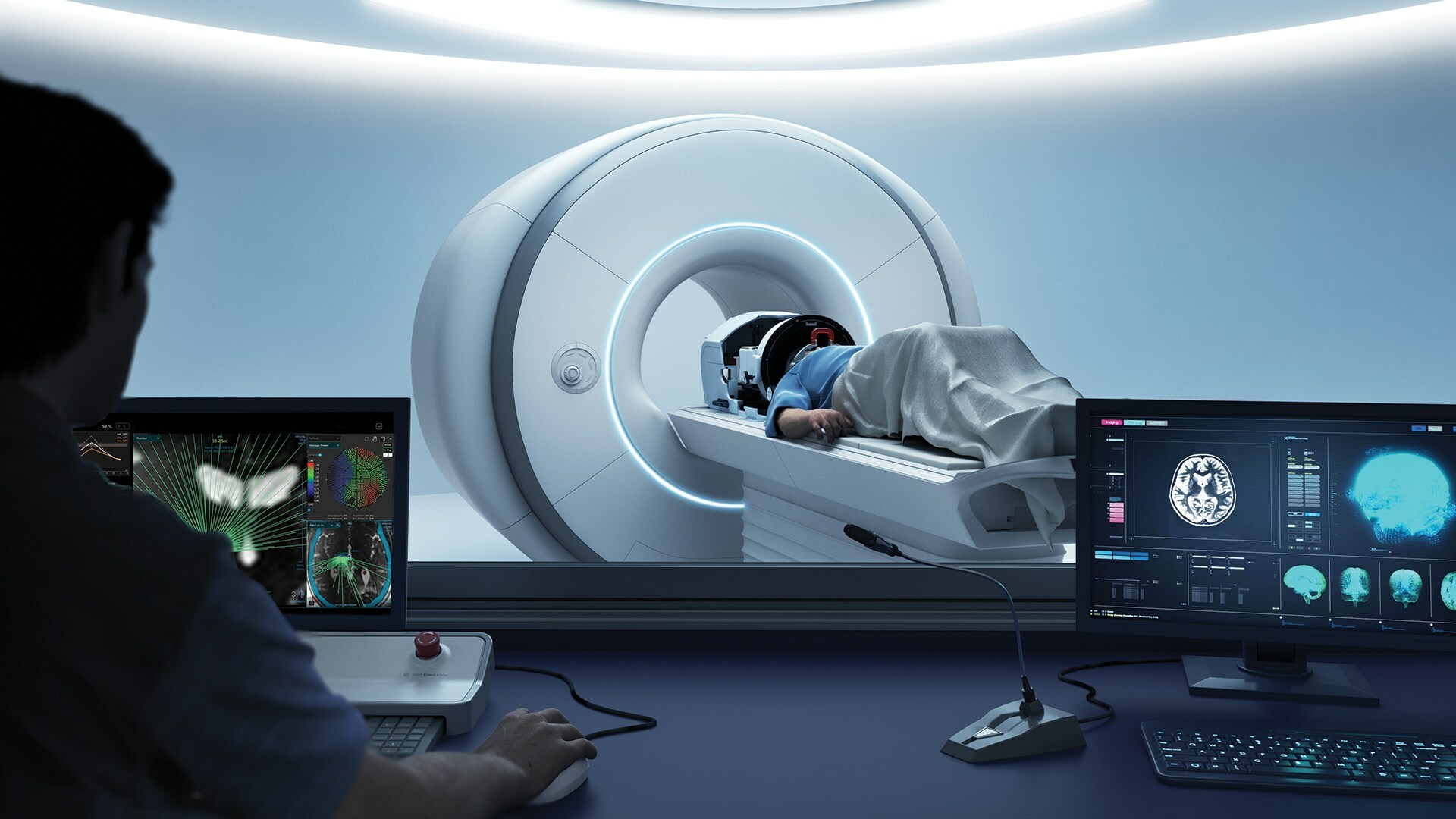
Watch this story by the BBC featuring Oscar, living with Parkinson’s and treated with MRgFUS : Can technology help reduce Parkinson’s symptoms?
Watch this story by the BBC featuring Oscar, living with Parkinson’s and treated with MRgFUS : Can technology help reduce Parkinson’s symptoms?
Countries where infusion pump treatment is available
Convatec's infusion set is available from the following European countries:
Austria, Belgium, Denmark, Finland, France, Germany, Greece, Italy, Netherlands, Norway, Spain, Sweden, United Kingdom
Countries where Focused Ultrasound is available
Countries where infusion pump treatment is available
Convatec's infusion set is available from the following European countries:
Austria, Belgium, Denmark, Finland, France, Germany, Greece, Italy, Netherlands, Norway, Spain, Sweden, United Kingdom
Countries where Focused Ultrasound is available